

Key Advantages
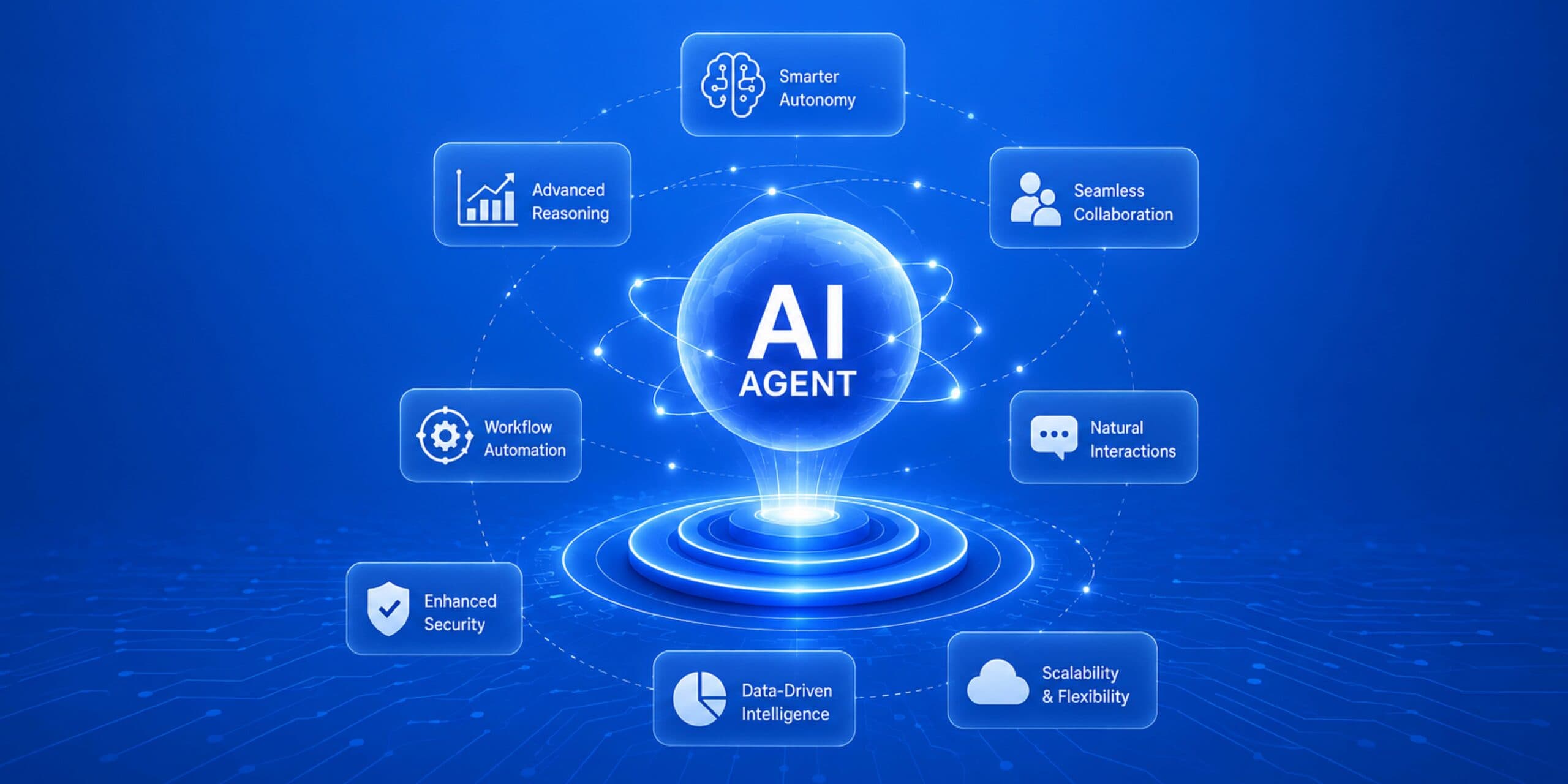
- Cognitive Workload Elimination: An AI-first inbox extracts buyer intent and compiles contextual thread summaries so representatives avoid manual message scanning.
- Intent-Driven Smart Routing: Reallocates customer inquiries instantly based on sentiment telemetry and urgency rather than rigid round-robin rules.
- Non-Linear Headcount Scalability: Accommodates massive surges in cross-channel conversation volume without requiring additional customer support payroll.
- Unified Operational CRM Synchronization: Records conversation takeaways directly into customer timelines for precise commercial follow-up.
Amid rapid growth in digital customer communications across WhatsApp, social messaging, email, and website live chat, many commercial organizations assume their support stack is modern simply because they deployed a shared inbox dashboard. However, consolidating communication channels onto a single monitor does not resolve the structural challenges of frontline customer service. Conventional platforms unify user interfaces, but the cognitive burden of reading message histories, categorizing topics, and typing replies remains entirely on human staff. Optimizing these workflows connects directly with frameworks covered in our guide on omnichannel customer service strategies.
When message volumes surge, traditional shared inboxes rapidly become operational logjams because representatives remain trapped in repetitive manual typing. Migrating to a purpose-built omnichannel inbox powered by artificial intelligence delivers measurable improvements in customer wait times. Deploying an enterprise ai inbox reassigns repetitive categorization tasks to autonomous systems, reinforcing benchmarks detailed in our review of essential omnichannel software features.
What Is a Traditional Omnichannel Inbox and Its Operational Limits?
A traditional omnichannel inbox is a software application that centralizes customer inquiries from disconnected channels into one browser screen, preventing support personnel from rotating between multiple physical devices or application windows.
While this consolidates message streams, legacy architectures maintain severe operational liabilities:
- Heavy Human Dependency: Representatives must read entire back-and-forth chat histories manually to diagnose customer problems.
- Static and Inflexible Queue Routing: Incoming conversations distribute via rigid chronological lists or slow manual assignments.
- Inconsistent Response Velocity: Response times degrade significantly during off-hours, employee breaks, and peak promotional seasons.
Delivering sub-five-minute response speeds is vital for preserving buyer engagement, as outlined in our guide on fast response standards.
What Is an AI-First Inbox?
An AI-first inbox is a conversational workspace designed from the ground up with machine intelligence as the core operational decision-maker, positioning human representatives as strategic supervisors for complex, high-value consultations.
This intelligent environment executes heavy cognitive tasks autonomously:
- Instantaneous Intent Classification: Distinguishes immediately between product inquiries, return requests, technical issues, and billing questions.
- Automated Thread Summarization: Generates concise two-sentence problem briefings for support agents when escalations are required.
- Context-Aware Response Generation: Queries verified company data to draft suggested replies ready for quick representative approval.
Comparative Matrix: Traditional Omnichannel vs. Modern AI-First Inbox
| Operational Dimension | Traditional Omnichannel Inbox | Next-Generation AI-First Inbox |
|---|---|---|
| Core Design Focus | Consolidating communication channels into one screen. | Context comprehension and autonomous operational action. |
| Ticket Allocation Logic | Manual delegation or static sequential queues. | Dynamic allocation driven by sentiment, intent, and rep skills. |
| Agent Cognitive Load | High; representatives read extensive dialogue histories manually. | Low; representatives review succinct AI-generated case digests. |
| Operating Cost Scalability | Payroll expenses scale linearly with incoming message volumes. | Absorbs conversation spikes without extra staffing via an omnichannel application. |
| Routine Inquiry Handling | Relies on canned responses selected and clicked manually. | Autonomous resolution linked to an automated workflow engine. |
Why Emerging Businesses and SMEs Gain the Greatest Leverage
Commercial leaders frequently assume that autonomous conversational workspaces are practical exclusively for multinational corporations with massive software budgets. This assumption is incorrect.
Emerging commercial brands secure the most dramatic operational gains from AI-first systems due to distinct organizational constraints:
- Lean Support Staffing: Growing enterprises cannot fund round-the-clock shift staffing across extensive customer service tiers.
- Unpredictable Conversation Surges: Sharp spikes in inquiry traffic during promotional campaigns resolve automatically without overwhelming admin desks.
- Standardized Service Quality: Business owners eliminate the risk of newly recruited personnel quoting incorrect pricing or refund guidelines.
Transform Your Commercial Messaging with Cekat.ai
Consolidating messaging endpoints into a shared monitor represents merely the initial step. Accelerating organizational performance requires equipping your workspace with artificial intelligence that comprehends context and acts decisively.
The enterprise platform at Cekat.ai delivers a unified AI-first inbox uniting verified WhatsApp Business API integration, intent-driven ticket routing, automated interaction summaries, and customer CRM records inside a cohesive dashboard.
Visit the official Cekat.ai website to evaluate our platform capabilities or schedule an introductory discovery consultation with our technical team to elevate your customer support velocity today.
Frequently Asked Questions (FAQ)
1. What is the fundamental difference between a traditional omnichannel inbox and an AI-first inbox?
2. Does deploying an AI-first inbox replace human support personnel?
3. How does an AI-first inbox prioritize incoming customer tickets?
4. Does implementing an AI-first inbox require internal software development teams?
Read next: WhatsApp Business Green Checkmark: Requirements, Application Process, & Myths That Need Clearing Up