

Imagine checking out on an online store. You select your products, click payment, and clear instructions appear—such as a dynamic QRIS code or a dedicated Virtual Account number. Within seconds of completing the transfer, the status updates to “Success,” and your order is instantly marked ready for fulfillment without ever needing to upload a bank transfer slip. That seamless, automated checkout experience happens because a dedicated system bridges the payment flow from initial customer action to merchant confirmation.
Behind the scenes, a payment gateway functions as a digital communication bridge. The system ingests transactional payloads, generates valid payment instructions for the buyer, and routes the authorization requests. Once the transaction clears, the confirmed settlement status returns directly to the merchant’s backend system.
To eliminate guesswork from your commercial checkout workflows, you can consult with the engineering and growth team at Cekat.ai.
Understanding Core Terminology in the Payment Ecosystem
To design an effective checkout architecture, it is essential to distinguish between these three fundamental components:
- Payment Gateway: The front-facing data communication bridge that transmits payment instructions and returns definitive transaction statuses (success, pending, or failed) to the merchant’s application.
- Payment Processor: The backend financial infrastructure connected directly to banking networks and card schemes to verify fund availability and execute fund routing.
- Merchant Account: A specialized holding account where transactional funds accumulate before being disbursed into your primary corporate bank account.
Without a dedicated payment gateway, businesses are forced to manually cross-reference bank statement mutations against buyer payment slips. This manual approach is not only time-consuming, but also creates severe reconciliation errors as transaction volumes scale.
Step-by-Step: How a Payment Gateway Works
Understanding how a payment gateway works is best seen through the step-by-step data journey from the moment a buyer clicks pay until order confirmation:
- Transaction Payload Ingestion: When a customer initiates checkout, your store system dispatches transaction parameters (order value, unique order ID, and chosen payment instrument) to the payment gateway API.
- Payment Instruction Generation: The payment gateway processes this payload and renders specific payment instructions—such as a dynamic QRIS code, a dedicated Virtual Account number, a hosted payment link, or an encrypted credit card tokenization form.
- Processing and Automated Status Callbacks: Once the buyer completes payment on their banking or wallet app, the gateway receives real-time verification from the processing network. It then dispatches automated status updates back to the merchant system via dashboard notifications and secure webhooks (callbacks), automatically marking the order as paid.
Deployment Models Across Business Scales
- Direct QRIS Channels for Small Enterprises: Ideal for micro and small businesses requiring rapid payment acceptance without complex technical software development.
- Native Website and App API Integration: Best suited for expanding mid-market companies and enterprise organizations requiring complete workflow automation, structured accounting reconciliation, and full brand control over checkout interfaces.
Cost Architecture Note: When evaluating payment service providers, audit all fee components—including Merchant Discount Rates (MDR), flat per-transaction fees, and settlement disbursement charges. “Free” marketing claims typically apply only to account registration, not transaction processing.
Common Misconceptions to Watch Out For
- QRIS Is Not a Payment Gateway: QRIS is a standardized QR payment method specification; a payment gateway is the underlying data processing engine that reconciles the transaction.
- Neglecting Webhook and System Monitoring: Payment integrations require automated health monitoring to ensure webhook notifications execute reliably without leaving pending orders hanging in limbo.
- Falling for the Lowest Rate Trap: Selecting a vendor purely for minimal transaction fees often leads to degraded checkout uptime and elevated payment failure rates.
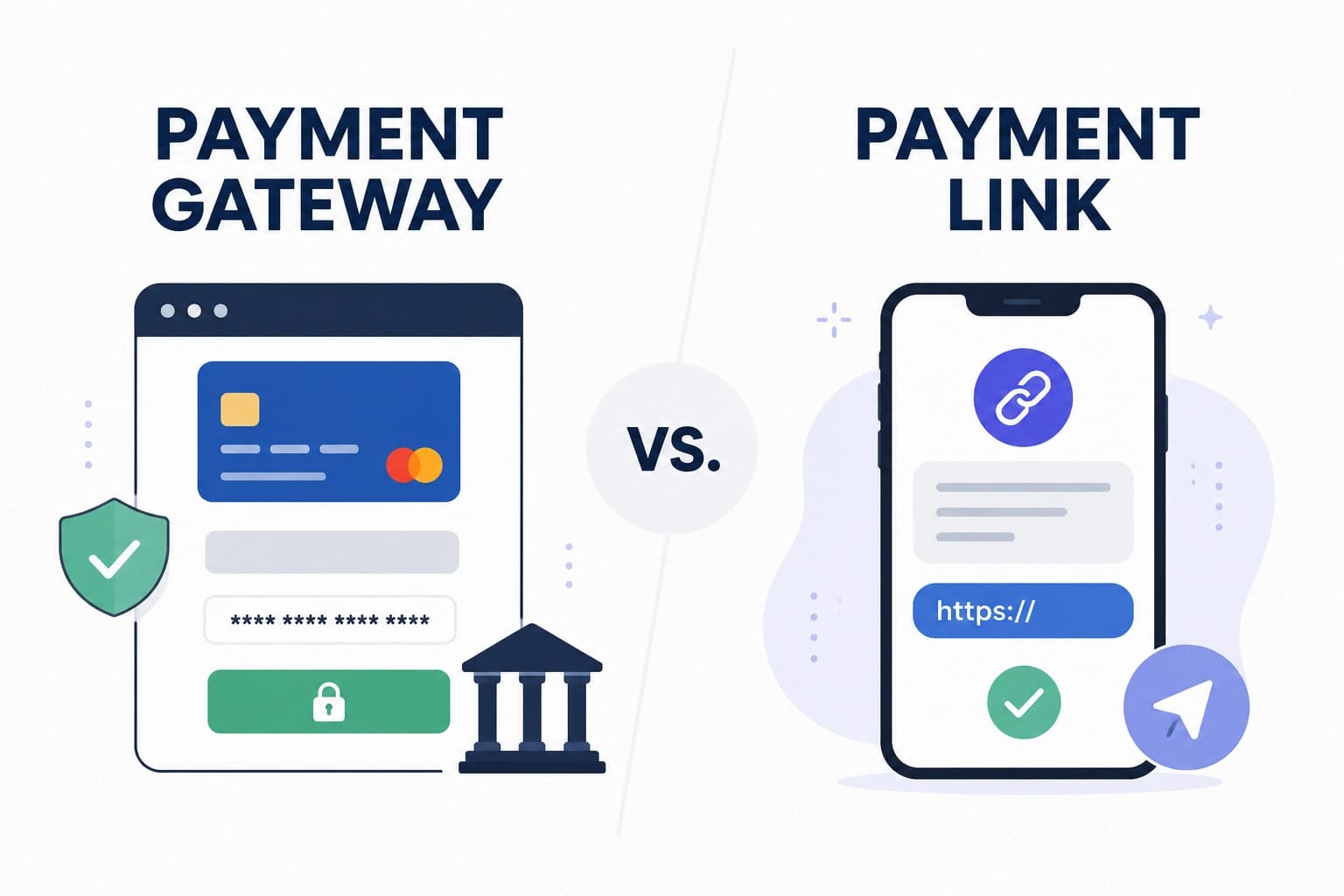
Related resource: Payment Gateway vs. Payment Link: Key Differences Explained
Pre-Launch Checklist and Production Monitoring
Before launching digital payment gateways to live production customers, ensure you have validated the following technical criteria:
- Payment instructions render accurately matching the buyer’s selected method.
- Transaction status codes (success, pending, failed) synchronize accurately with your internal database.
- Order records update to paid status automatically without requiring manual staff intervention.
- Reporting ledgers inside the provider dashboard match internal financial transaction logs.
Understanding the complete architecture of a payment gateway empowers you to build a resilient, secure, and frictionless checkout workflow. With unified payment rails in place, operational overhead drops substantially while customer satisfaction rises.
If you want to ensure your payment status integrations and conversational checkout workflows operate seamlessly from checkout to fulfillment, the team at Cekat.ai is ready to help structure the ideal technical strategy.
Read next: Billing and Payment Reminder Automation: Reduce Late Payments with AI